News & Announcements
Practical methods for restorative practices solutions that strengthen your classroom culture
Creating an environment where students and teachers have a strong relationship has proven to be a better predictor of academic success than factors like socioeconomics, class size, curriculum, and teaching methods. To be sustainable, this relational culture must delve deeper than daily check-ins. Using restorative practices to strengthen educational communities requires proactive and consistent implementation, which allows for a more effective and impactful relational approach in response to more challenging situations.
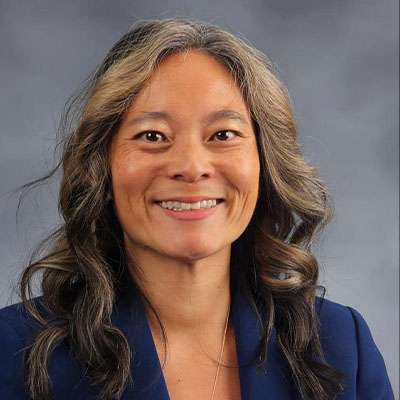
Learner Spotlight: Stephanie Niemi
Stephanie Niemi is the principal at Clear Lake Elementary School in Oxford, Michigan, which serves students from kindergarten to 5th grade. Her school is home to the district’s emotional support self-contained classroom students. With a background in Special Education, Stephanie leverages her position to ensure the school environment is inclusive and that structures are in place to ensure that all learners are reaching their potential.
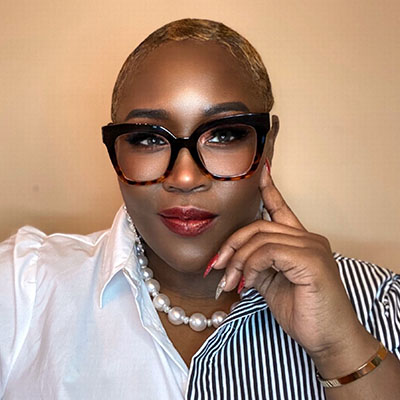
From small circles to the big stage, a career rooted in art, science, and meaningful connections.
Lecturer Kiyaana Cox Jones is a social scientist and restorative practitioner who combines her love for art, dance, theatre, and education into her academic research and creative endeavors. Her dedication to teaching students how to build relationships and increase their relational capacity is rooted in her personal journey toward using restorative practices as a framework to understand human connectivity, communication, and compassion.
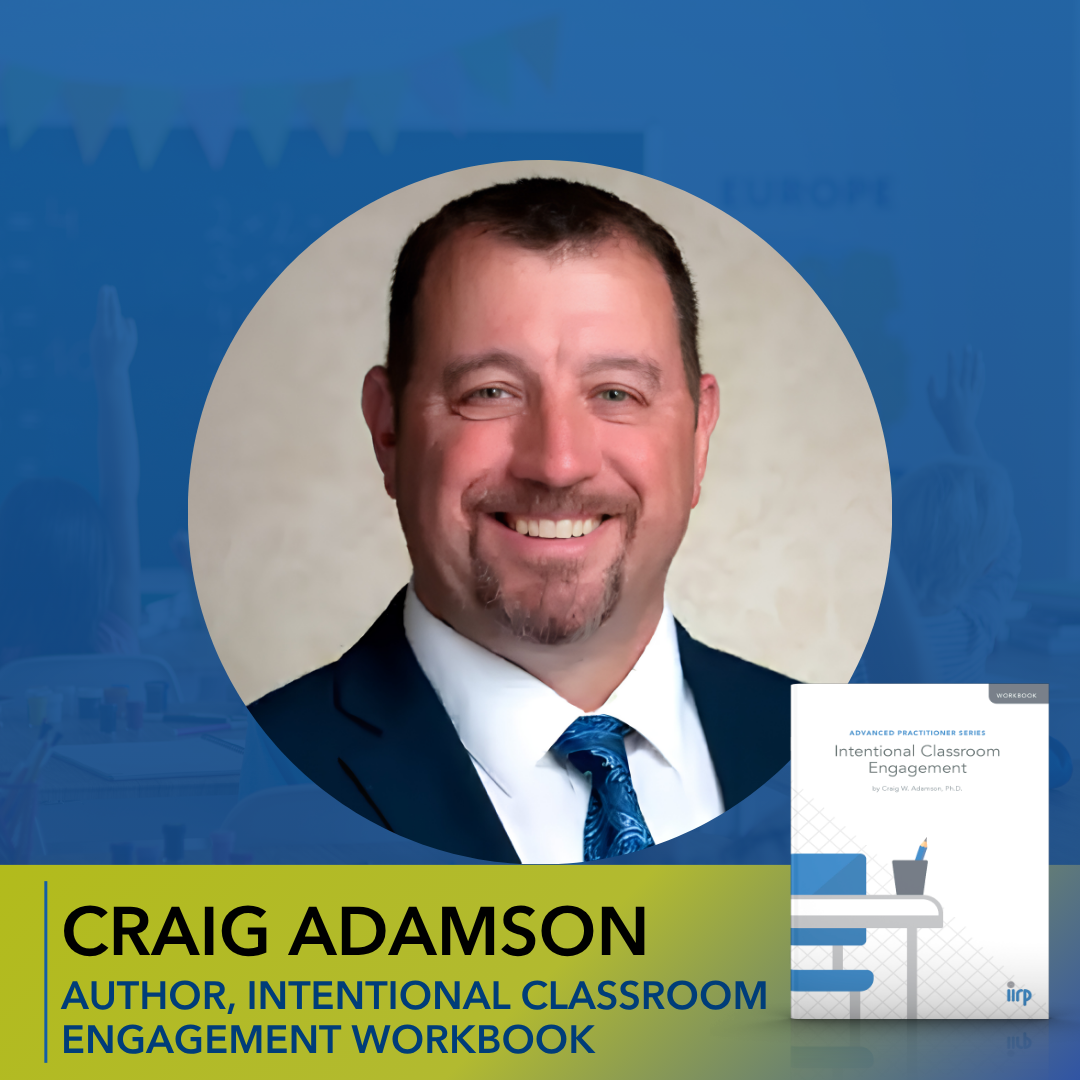
Challenging demotivation and disengagement in the classroom with accessible strategies that build connection, trust, and meaningful participation.
Dr. Craig Adamson is the author of Intentional Classroom Engagement from the IIRP’s Advanced Practitioner Series. This workbook provides strategies, assignments, and guided prompts that help educators become proactive as they build better relationships with students, their families, and their colleagues. Dr. Adamson draws on his years of hands-on experience, research, and practice in the fields of education, psychology, criminology, sociology, leadership, and organizational development. At a time when educators are facing challenges with students’ apathy and disinterest, Intentional Classroom Engagement offers readers practical strategies that transform the learning experience into a reciprocal act.

Taking the time to speak with your team about what motivates and inspires them will give you more useful information than any other data set. Using this guide, you can begin to uncover your team's motivations, how they see themselves fitting into the organization, and what they need in order to be present as their authentic selves and produce the best quality work possible.
“Our ancestors survived not because they computed faster, but because they cooperated better, learning to communicate and read one another, share stories, resolve conflict and coordinate care.” — Isabel C. Hau
When I was in high school, I knew the phone numbers of all my friends and extended family households by heart. When I learned how to drive, I would sometimes get lost trying to get to a new place, and I would figure out ways to ask people for directions. Ah, the twentieth century! Don’t get me wrong, I really appreciate smartphones, and thanks to map apps, I never get lost anymore, but whatever happened to those skills that I used to need? What is my brain doing with that space now? (It is probably invested in answering emails). But the way humans think and relate has changed significantly.

Furthering the Restorative Justice Field Through Art
What do you picture when you hear the word “justice”? Many people instinctively picture courtrooms and prison guards. What if that picture could shift? In her Presidential Paper, Expanding our public imagination of justice: the role of artists and storytellers, author Lindsey Pointer highlights the critical need for narrative change in advancing the restorative justice movement, emphasizing the crucial role that artists and storytellers play in furthering this effort.
Key takeaways:
- The Relational Care Ladder gives us a proactive structure for continuous reflection and action that can be used when working with populations that have experienced trauma, but also to deal with our own trauma, including when we are experiencing trauma at a global scale.
- The Relational Care Ladder offers us a model to guide our personal care and evaluate whether or not our needs are being met.

Creating stronger schools and better workplace outcomes through implementation science and restorative practices
IIRP Associate Professor Dr. Doug Judge has served as an educator, school leader, social worker, and researcher in various settings over the course of his career, including special education, juvenile justice, administration, and higher education. Doug’s research interests are reflective of his commitment to addressing systemic inequities in influential public institutions. They include international comparative approaches to inclusive and restorative practices, multi-tiered restorative practices in schools across the prevention continuum, positive behavior supports, school mental health, trauma and resilience, antiracist SEL and leadership, and alternatives to exclusionary discipline.
Key takeaways:
- Southern New Hampshire University chose restorative practices as an evidence-based framework for working better together as a mostly remote workforce supporting over 200,000 students worldwide, 183,000 of whom are online.
- Participatory multi-tiered implementation makes organization-wide restorative practices sustainable.
- Program fidelity is achievable when leadership is invested in restorative practices training, coaching, continuing education, and practical application.