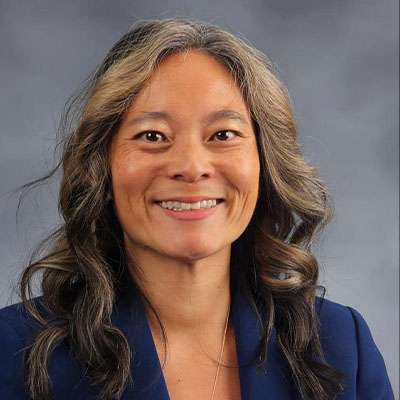
Learner Spotlight: Stephanie Niemi
Stephanie Niemi is the principal at Clear Lake Elementary School in Oxford, Michigan, which serves students from kindergarten to 5th grade. Her school is home to the district’s emotional support self-contained classroom students. With a background in Special Education, Stephanie leverages her position to ensure the school environment is inclusive and that structures are in place to ensure that all learners are reaching their potential.
Through her “craftivity,” teachers personalized their very own talking pieces, offering them a sense of ownership over how they apply and become familiar with restorative practices in their classroom. Talking pieces are used when answering questions in a sequential order; they indicate who the speaker is at the moment, discourage interruption, and provide a formal physical and visual cue for participants to use during discussions.
Stephanie walks us through how she came up with the “craftivity,” how the teachers in her school reacted, and how to engage students in creating shared ownership of the classroom space.
Q: How were you introduced to restorative practices?
A: Our district’s restorative practices training dates back to 2018-2019. It paused when the pandemic hit, but we tried not to lose our momentum and focused on embracing circles as a structure that brings everyone together, engages the students, and encourages participation. This summer, another principal from the district and I had the pleasure of taking the Restorative Justice Conferencing Training of Trainers event, where we gained a deeper understanding of the restorative questions, further validating our use of them. This school year, I am excited to take all this new knowledge and really help build capacity in my staff.
Q: How did the idea for the activity come to mind, and why was it an important part of preparing your staff for the new school year?
A: The "craftivity" came from the idea of knowing that we wanted to engage more in restorative practices, but in a way that helped everyone in my building. Whether you teach kindergarten, 5th grade, or special education, you have a structure in your classroom. So, before the school year ended, we set the expectation that, once we returned in August, we were all going to facilitate three circles per day, no matter our role. With this expectation, we wanted to make sure that everyone felt prepared to facilitate a circle lesson with confidence by opening the door to restorative practices without making it feel like “one more thing” they needed to think about.
If I am expecting everyone to do circles and use a talking piece, then they were going to need a talking piece! It’s been amazing to see the impact a small activity has had. While walking through the school, I got to witness students circled up in the classroom using the talking pieces. I’ve seen conflicts being addressed in circles and watched newer teachers really embrace their restorative practices learnings.
Q: How did you introduce the talking piece activity to the staff at your school?
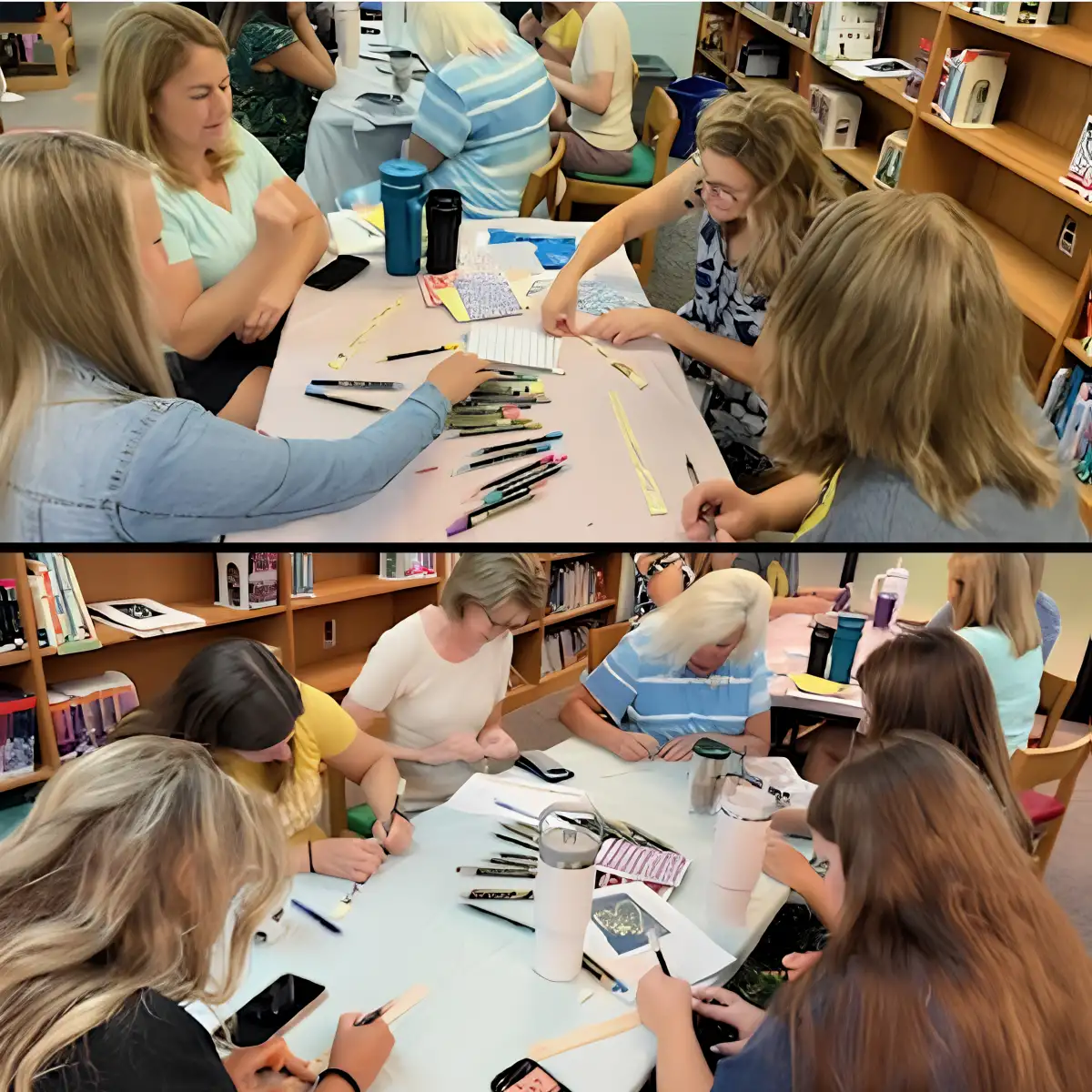
This past year our school adopted a new mission, vision, and core values, and part of that vision is building community. This activity was so important because empowerment and a sense of belonging are a part of our core values. I was able to identify how we promote and realize our new mission, vision, and values through restorative practices, guiding the staff to see those connections in real time. They were spending time and ideating together as a means of building community; they got to take ownership of and have agency over this talking piece, which would become a core part of how they run their classes, and they got to have fun while doing it.
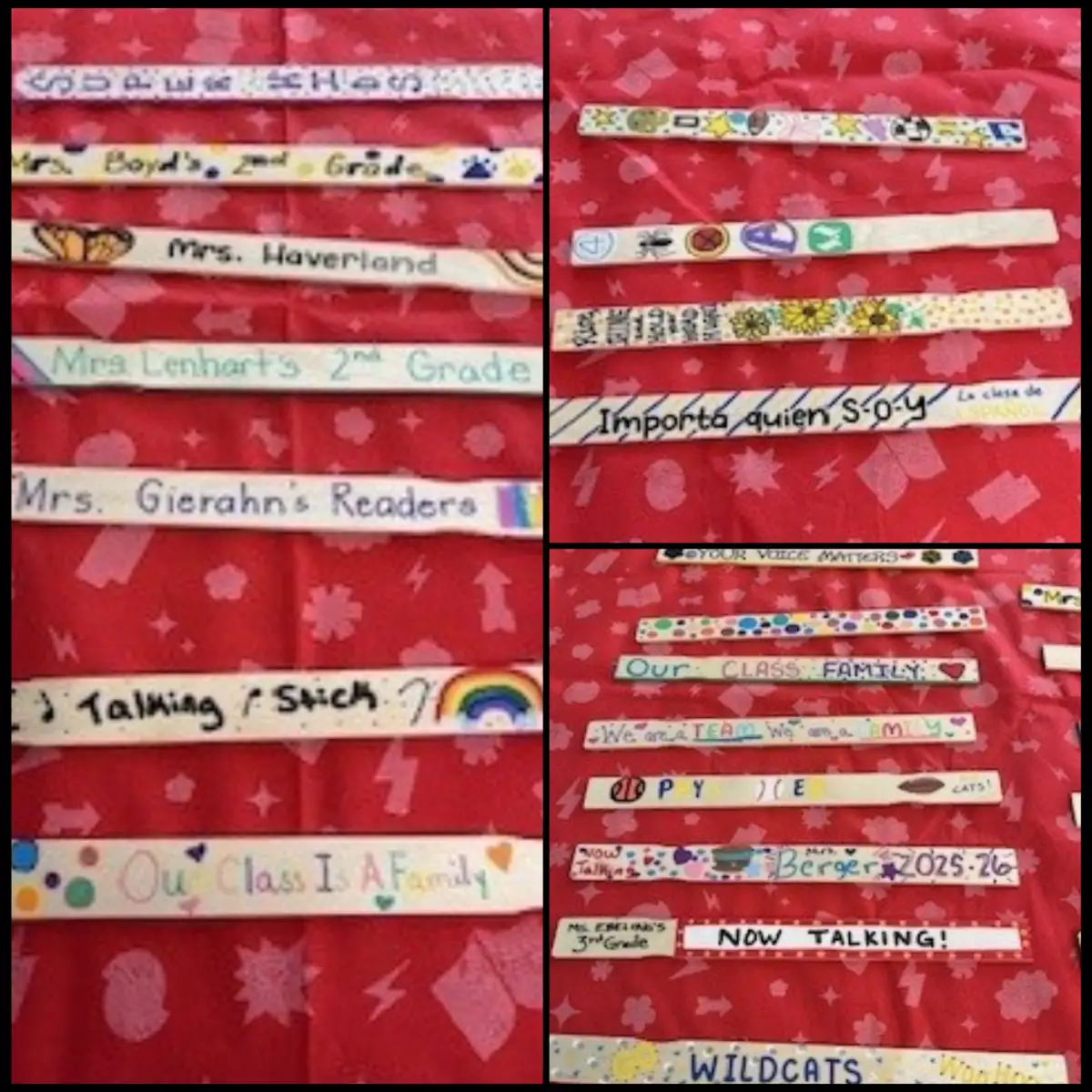
A: They all really enjoyed it! While working on their talking pieces, staff were learning how artistic their peers are and brainstorming their design ideas together. We spoke about how this is only good for sequential circles. This year I'm getting them all the globe balls for non-sequential circles. Some teachers had their students sign their talking piece to create a sense of shared ownership, and it’s been amazing to see how the students really have been able to hold themselves and each other accountable during circles.
Time is the biggest challenge when it comes to getting staff trained on restorative practices. Small but impactful activities like this help drive home core principles with practical applications. Our school population has a diverse set of needs, and offering high support through training materials, widening our lens of understanding everyone’s different classroom experiences, is imperative. This activity is just one piece of a larger plan of implementation and continued knowledge building so that restorative practices become a natural part of how we operate.
Just as important as the activity itself, debriefing afterward helps school leaders gauge the impact and level of understanding their staff have post-activity, while also further priming them to feel confident while implementing the use of their new talking piece. Check out our circle plan to debrief the activity below!
Circle Plan
- Topic: Craftivity – Talking Piece
- Goal: Introduce circles and talking pieces to staff and share what your talking piece represents.
The following circle can be done in three rounds:
- What were some things you thought about as you were creating your talking piece?
- Share one thing about your talking piece that is meaningful to you or your class.
- How will you introduce your talking piece to your students? Or, what is a circle topic you plan to facilitate with your students?
If you don’t have time to run three rounds, you can choose one of the questions from the plan or one of the following questions and do one round as a way to process and debrief the activity.
- What was the highlight of this activity?
- What is something you learned about yourself or others as you created talking pieces together?
- What is one thing you included on your talking piece and why?
Access our fillable Circle Plan here.