News & Announcements
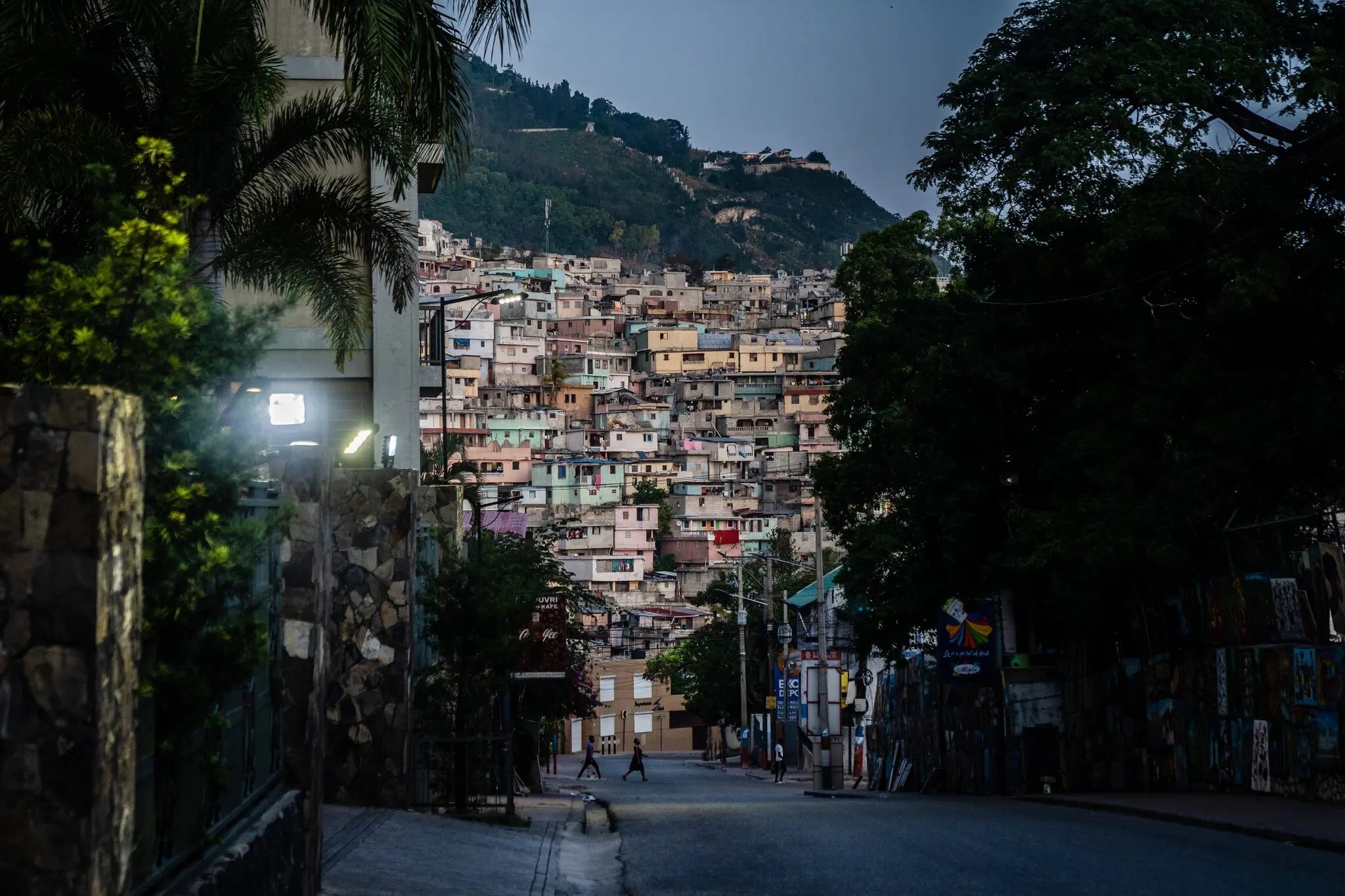
Restorative justice has significantly evolved from its initial focus on repairing the harm caused by interpersonal crimes involving clearly identifiable victims and offenders. Traditionally, the "restorative idea" aimed to facilitate reconciliation and address immediate harm through face-to-face meetings. However, the field has grown into a broader social movement that addresses not only interpersonal conflicts but also structural and systemic issues. This shift reflects a deeper understanding of harm, recognizing that it often stems from broader social injustices and that many individuals who cause harm have themselves been victims, including of systemic oppression. Rather than confining its focus to individual interpersonal relations, restorative justice now includes more complex dynamics within collective, institutional, and organizational contexts, as well as interactions with nature and “more-than-human” animals, as evidenced by studies in environmental restorative justice. Contemporary restorative justice aims to challenge oppressive structures, promote social healing, and transform the societal conditions that give rise to conflict. This evolution underscores the importance of moving beyond the simple victim-offender dyad to embrace a more holistic and inclusive approach that addresses the complex realities of harm in our society.
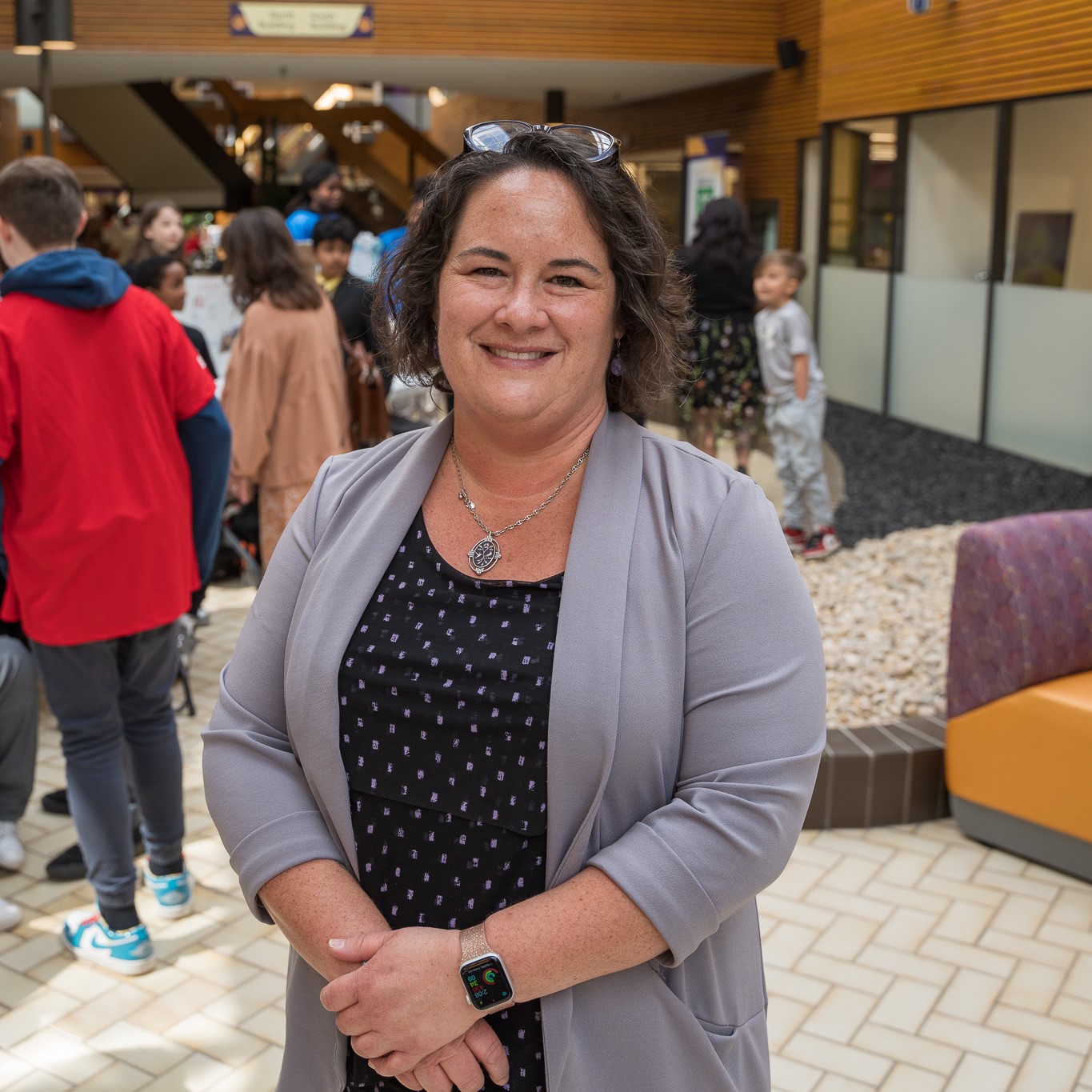
The Use of Restorative Approaches in Equity, Diversity, Inclusion, and Anti-Racism Work
The IIRP’s continuing education learners do tremendous work incorporating restorative practices in their workplaces and communities and are an integral part of our graduate school community. Their experiences are valuable and offer insight into the reality and rewards of applying concepts and methods presented to them through our continuing education offerings. Learners advance their interpersonal skills and approaches, improving their effectiveness as they engage with others, collaborate constructively, and build community.
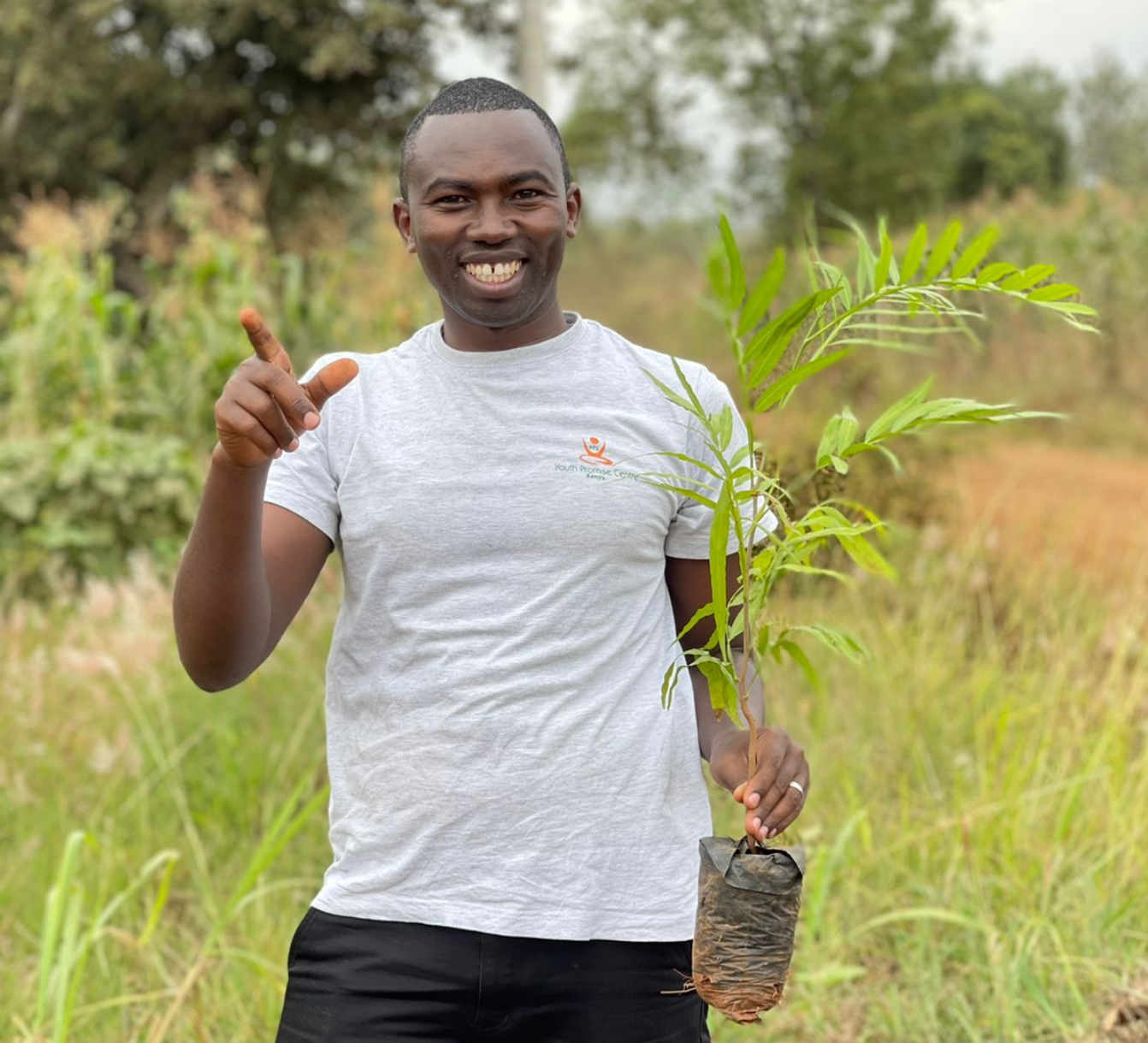
Leading and Mentoring Youth in Kenya
James Mureithi is a 2023 Impact Scholarship recipient and current IIRP Graduate Student. He began his work as a minister and social entrepreneur in Kenya mentoring youth in leadership skills. He founded Youth Promise Centre Kenya, a youth center focused on mentoring teens in digital literacy, life skills, entrepreneurship, and faith development.

Removing Barriers in Bogotá, Colombia
Matt Crowe is a 2023 Impact Scholarship recipient and IIRP Graduate School student. He is the founder and director of i58 Movement in Bogotá, Colombia, an educational program that provides essential resources and opportunities to children and families displaced by internal conflict who suffer from extreme poverty and injustice.
On Tuesday, March 5 IIRP Director of Community Engagement Henry L. McClendon, Jr. and IIRP Vice President for Partnerships Keith Hickman, M.S. joined host Grover Silcox on PBS39 for a special program: Restorative Practices: Relationships and Community.
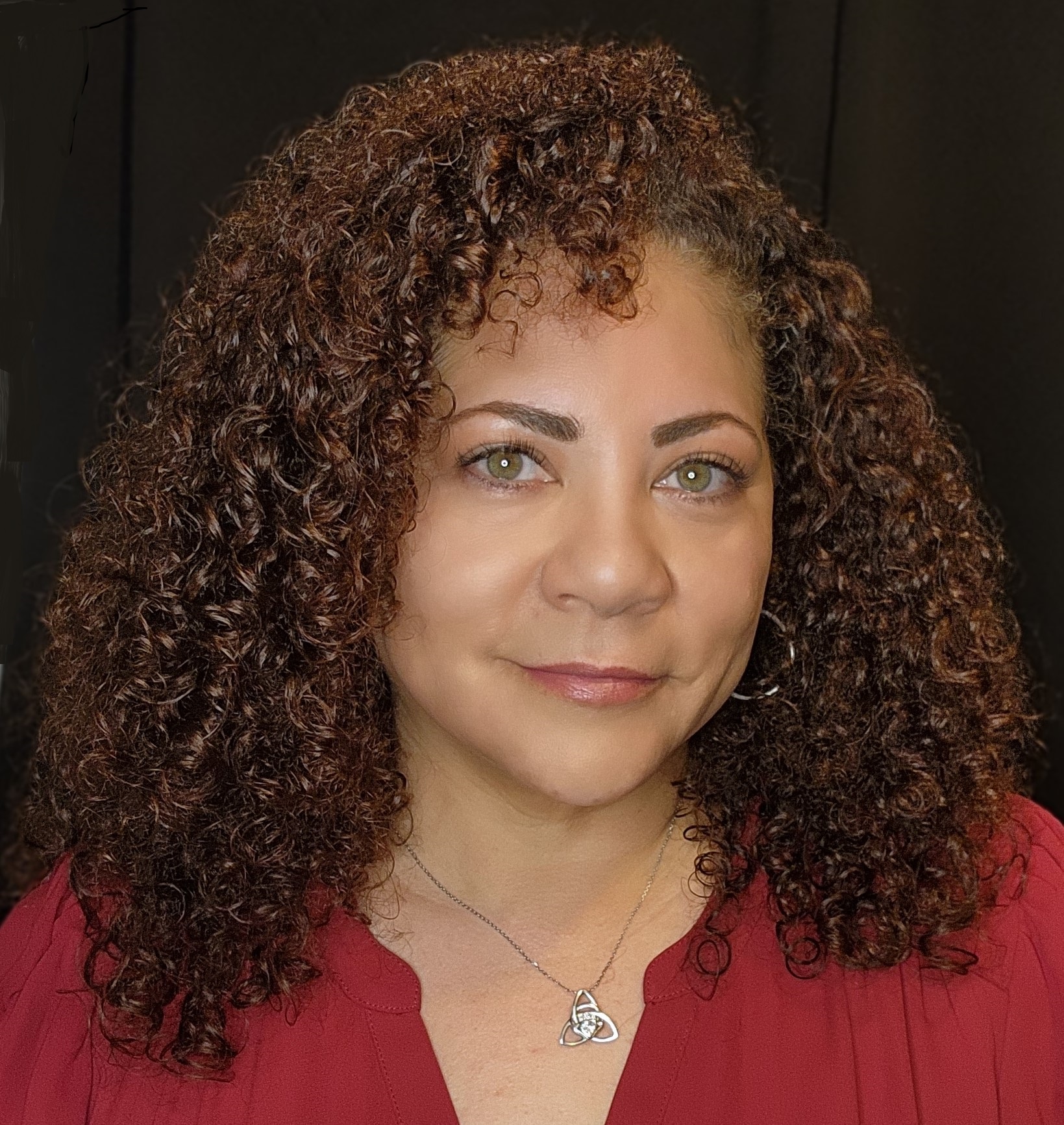
Teaching Educators the Path to Community
Jamee Cox is a current IIRP Graduate School student and restorative practices specialist for Fort Worth Independent School District in Fort Worth, Texas. She works in a network of 10 schools, where she trains teachers, administrators, and staff in restorative practices. She also models restorative practices and provides coaching for teachers in classrooms and facilitates circles for Tier 2 and Tier 3 students.
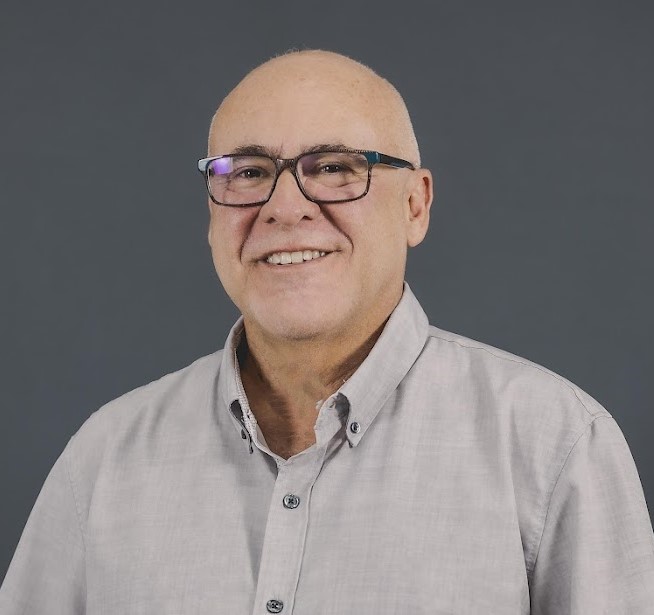
After a nationwide search, Linda J. Kligman, Ph.D. President of the International Institute for Restorative Practices (IIRP), has selected Michael Valdez Raffanti, Ed.D. as provost for academic affairs.
As Provost, Valdez Raffanti oversees all the IIRP educational offerings from continuing education to graduate-level programs.
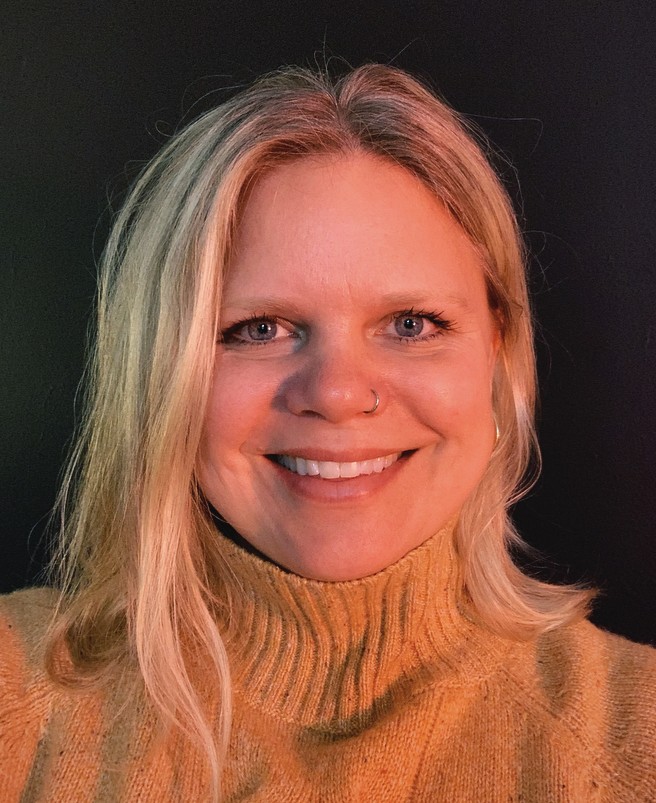
Turning Lessons into Practice
Elana Strout is a current IIRP Graduate Student and social studies teacher at Mount Desert Island High School in Bar Harbor, Maine. She has been teaching since 2012 in the areas of world history, sociology, psychology, and abnormal psychology. After learning more about restorative practices, Elana is developing ways to incorporate her lessons into both her personal and professional life.
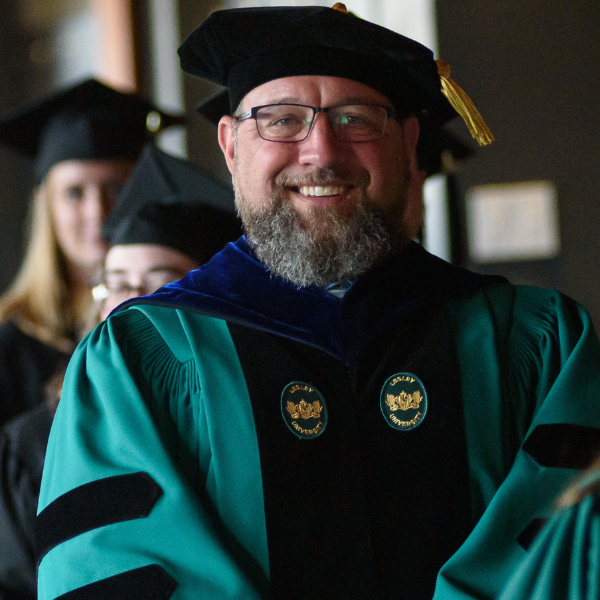
We at the IIRP Graduate School are proud of our ability to strengthen and preserve relationships. Part of our culture is finding new and unique ways to showcase our staff and faculty’s expertise and accomplishments. With that, we are excited to announce that Dr. Craig W. Adamson is transitioning from provost for the IIRP to the position of senior advisor to the president.
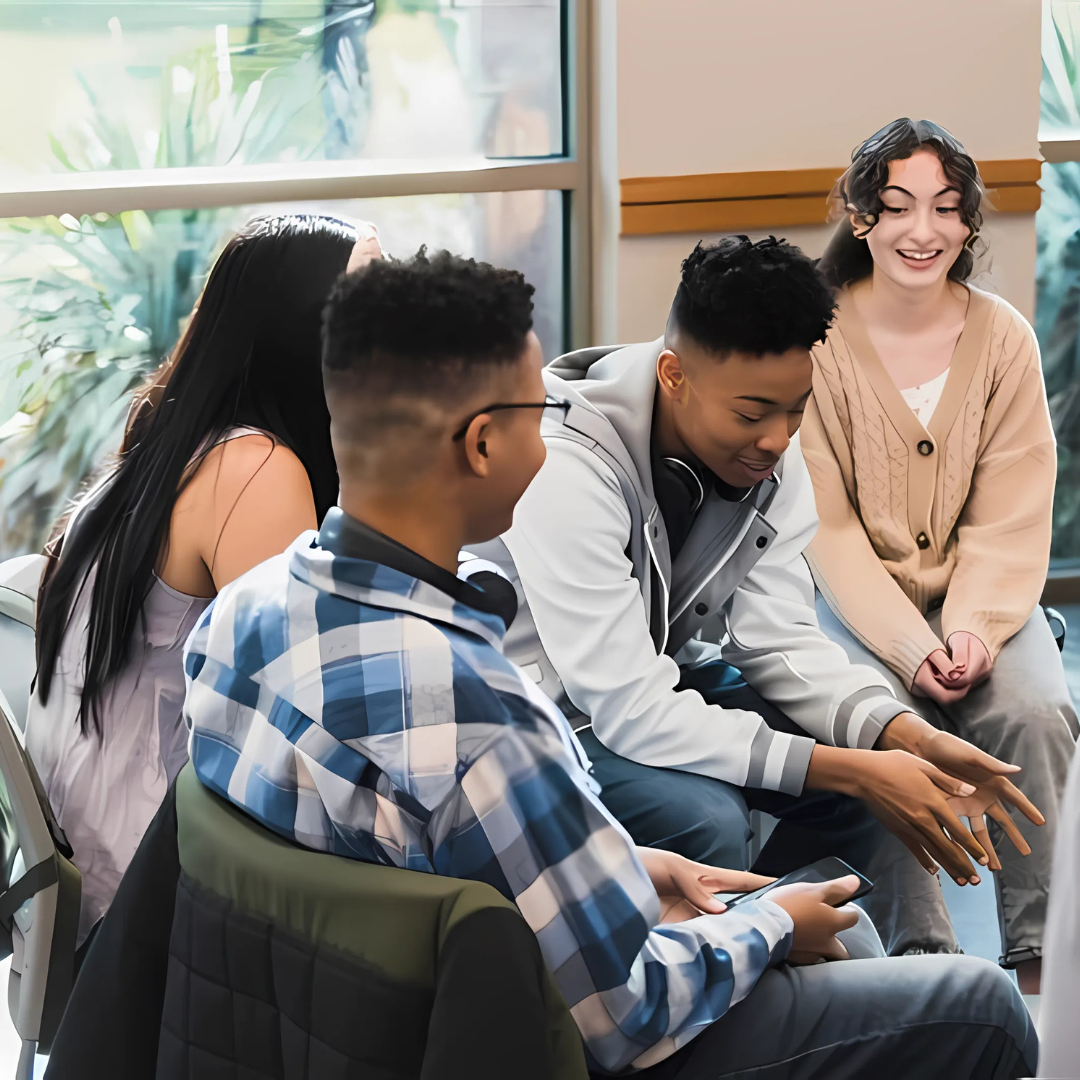
Empowering young minds is crucial for a brighter future, Community Matters, located in Santa Rosa, California, is a non-profit organization committed to ensuring a brighter future for students by fostering safe and supportive school environments worldwide. Erica Vogel, CEO of Community Matters, is dedicated to youth development and community transformation. Her passion for youth development stems from her own experiences of being uplifted by programs similar to those she now champions. Recognizing the profound impact of such initiatives, she has made it her life's mission to connect communities and create positive ripple effects through the power of education.