News & Announcements

Melissa Sorenson is Assistant Director for Special Projects at Middlebury Institute of International Studies, in Monterey, California. She wrote this piece after attending a restorative practices training conducted by Stacey Miller, IIRP Trustee, Assistant Provost for Inclusion at Valparaiso University and Managing Partner of The Consortium for Inclusion & Equity.
Sorenson is part of a small team that is responsible for organizational development at her college. Her work includes facilitating training and development opportunities, supporting leadership groups and collaborating on institution-wide projects.
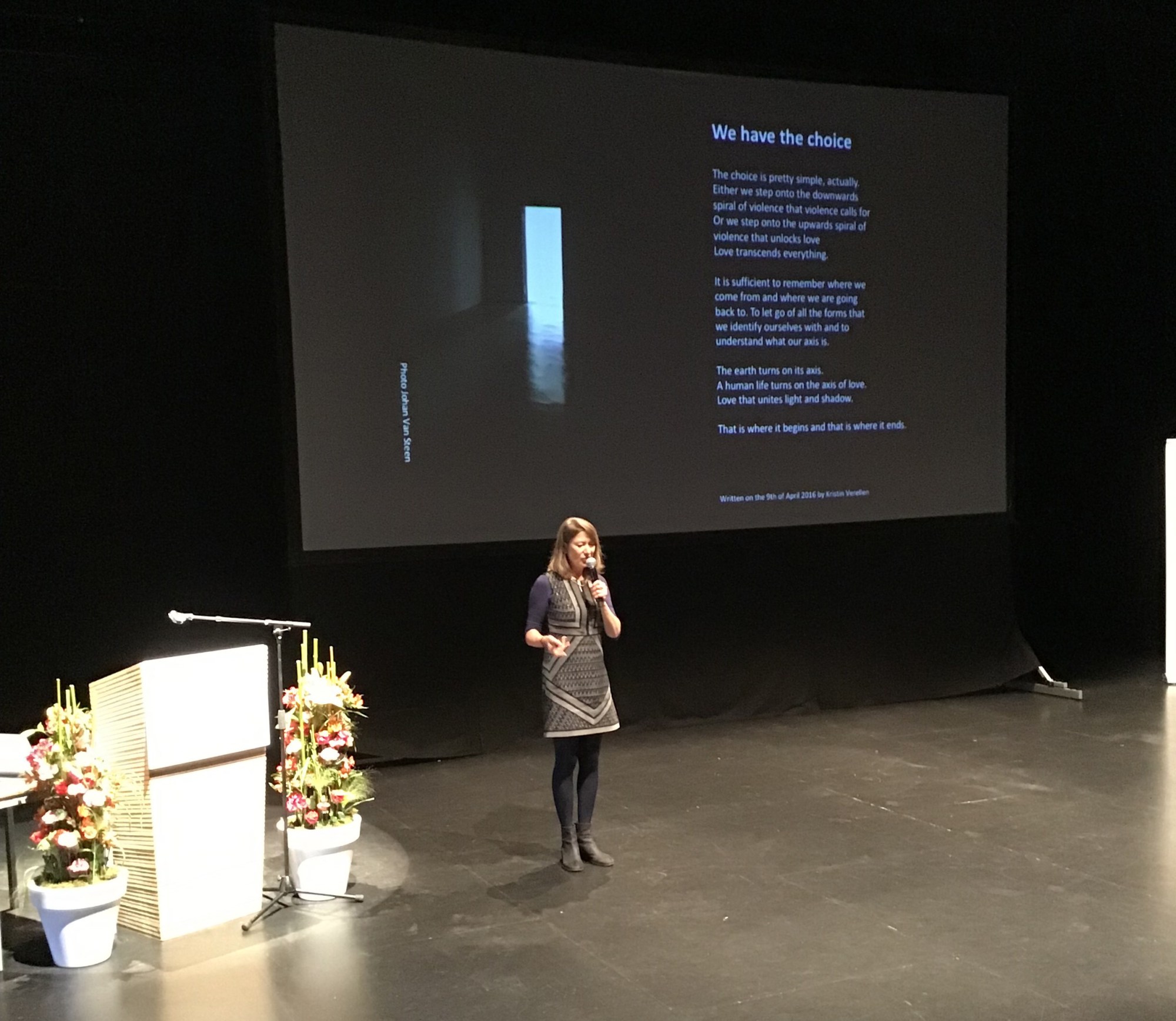
I felt Johan’s absence in the empty spaces between Kristin Verellen’s words.
Verellen was a keynote speaker during the opening session of the International Institute for Restorative Practices (IIRP) Europe Conference. The audience of leaders, practitioners, changemakers, scholars, and community advocates gathered at Buda Island in Kortrijk, Belgium to learn more about using restorative practices to enhance community well-being and resilience
A Belgian certified psychotherapist and coach, Verellen spoke in a lilting Dutch accent as she talked about the events of March 22, 2016.
Verellen remembered lingering in bed awhile longer savoring birthday wishes while her life partner, Johan Van Steen, went to work. An hour later, two explosions occurred at Brussels Airport in Zaventem. Shaken by the news, Verellen called Johan to discuss it. Then, the phone line went dead.
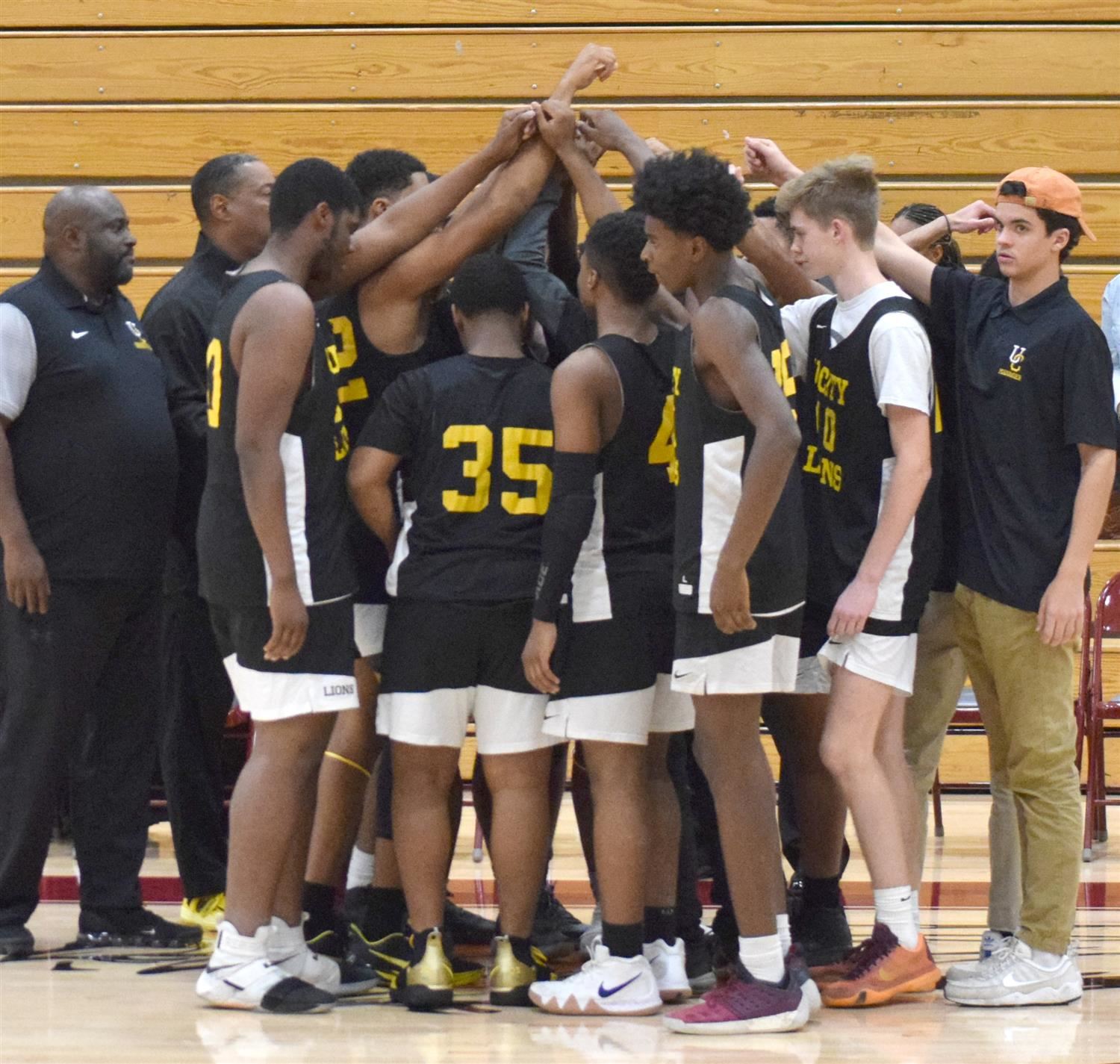
Thanks to the School District of University City, St. Louis, Missouri, and writer Nancy Cambria, Director of Communications, for allowing us to republish this story on how basketball coach Kelvin Lee is applying restorative practices. Lee and others at University City High School have learned from the IIRP.
Kelvin Lee didn’t have the easiest first year as head basketball coach at University City High School in 2017.
The team had a lot of raw athletic talent – perhaps even more so than in his days of coaching future N.B.A. stars at Chaminade College Prep in Creve Coeur.
But his new U. City players were not set in winning habits. They argued with him. They cussed each other out. They hot-dogged into turnovers and fouls. Off the court, it was cool to rattle the rules.
The final 2017 record showed it: 6-19.
This wasn’t easy for a man who has held assistant coaching jobs at Texas A&M, Baylor and Saint Louis University. It wasn’t easy for a coach who had mentored Jayson Tatum, Bradley Beal and David Lee into the N.B.A.
But Lee knew two things really well: how to coach basketball, and how to coach kids through trauma and hardship into manhood.
Despite a rocky first season, he knew it was just a matter of time. It all came down to getting to know his youth and “circling-up” to build not just a team, but trusting relationships.
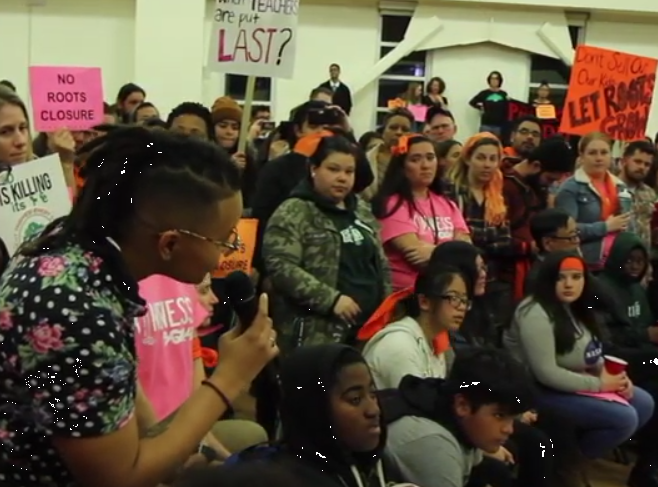
This short documentary film was made during the height of the protests in Oakland surrounding potential budget cuts, including cuts to restorative pratices in schools. Students took the bull by the horns, and insisted on being heard by school board reps. To do this, they invited the reps to come down from their elevated seats and join them in a restorative circle. A talking piece was used and students expressed to all present how valuable restorative practices was to them and how it helped them deal with their problems.
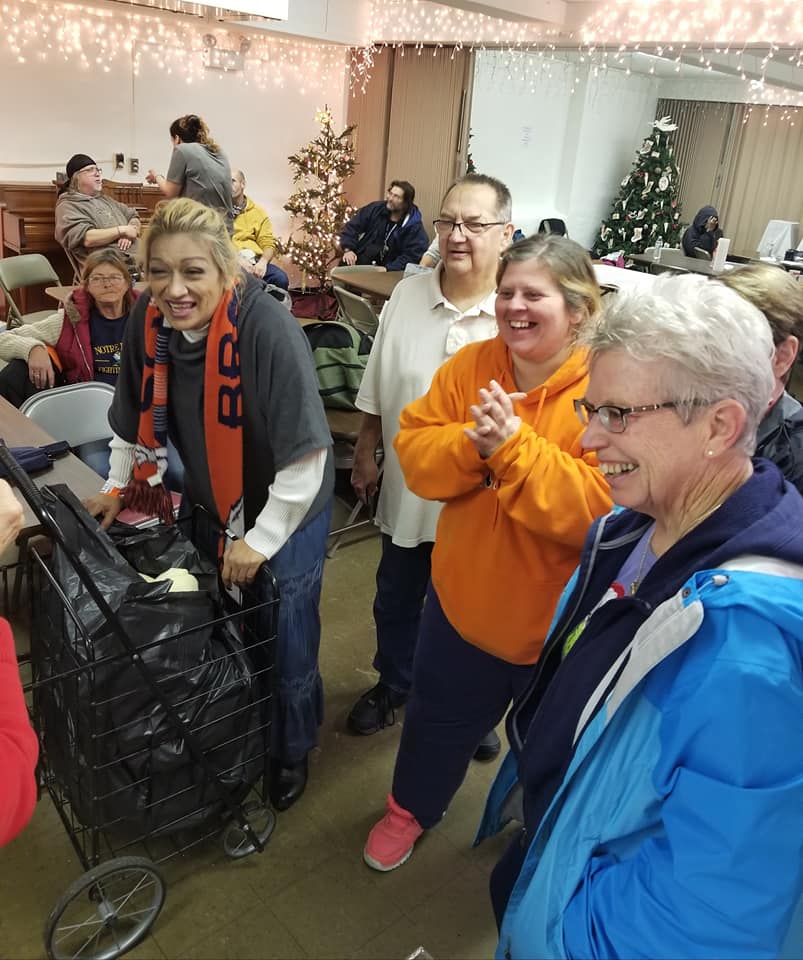
Some of the most marginalized people in the city of Allentown, Pennsylvania, are finding a voice, and a sense of dignity, belonging and empowerment, at Ripple Community Inc. (RCI).
They may be experiencing homelessness, mental illness, trauma or drug and alcohol abuse issues. Anyone who shows up at Ripple is welcome to sign in, hang out, eat and make art. Ripple offers a safe, comfortable place for people who live on the fringes of urban society to spend the day in the company of others, serving about 50 people a day.
But what really creates the sense of humanity and community at Ripple is engaging people through restorative practices like circles. Every day, everyone shares their feelings and their story, builds relationships and sorts out issues and conflicts by means of a structured circle process.
"These are people not used to being listened to, not having a seat at the table,” comments Sherri Brokopp Binder, Ripple Executive Director. "To have this chance to speak is like a breath of fresh air.” Binder holds a Ph.D. in community psychology.
“We work with people, not for them, explains Missy Wise. "We walk their journey with them, allowing them to be self-directed.” Wise works part-time at Ripple and is a student service specialist at the IIRP, where is she is earning her Graduate Certificate in Restorative Practices. She points out that at Ripple , they never use the term "homeless person." They say "street neighbor" instead.
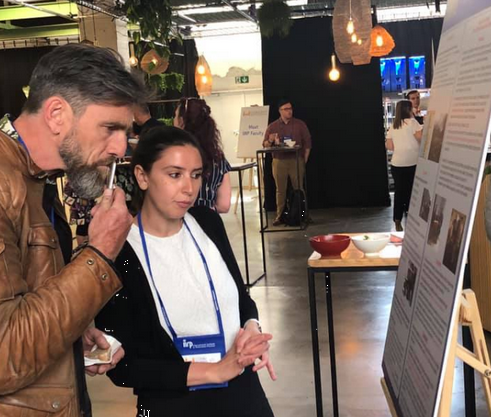
The IIRP Europe Conference on Buda Island, in Kortrijk, Belgium, explored the theme of “Community Well-Being and Resilience” over three days of keynote presentations, breakout sessions, poster presentations and networking opportunities.
Keynotes explored the intersection of restorative practices and community resilience (Joie D. Acosta), circles as a means of processing traumatic events (Kristen Verellen) and reforming governance through deliberative democracy (Brett Hennig). A panel addressed the big questions for the field of restorative practices in the 21st century (Nicola Preston, Borbála Fellegi, Fernanda Fonseca Rosenblatt, Tim Chapman and Johan Deklerck).

Sometimes a colleague needs to decide: it’s time to grow, or time to go.
In the previous article, Seek Problems, Not Solutions: Leading Conflict Principle 8, I discussed why most leaders avoid disruption and seek stasis in relationships.
Instead, the article recommended that leaders seek the broken places and underdeveloped areas of organizational relationships and culture.
Huge performance dividends are paid to leaders that engage the sharp edges of workplace culture proactively, boldly and strategically. That, in essence, is leading conflict.
Here’s an example.
Many years ago, I was helping to develop a new unit in my organization. The business was growing rapidly and we hired several new staff to meet the growing demand for our services.
One new staff member had a perfect resume. He was technically proficient, worked hard and was exceptionally conscientious. He was willing to work extra hours when needed and readily communicated needs, updates and suggestions for improvements to leadership.
Sounds like a perfect hire, right? Not necessarily.
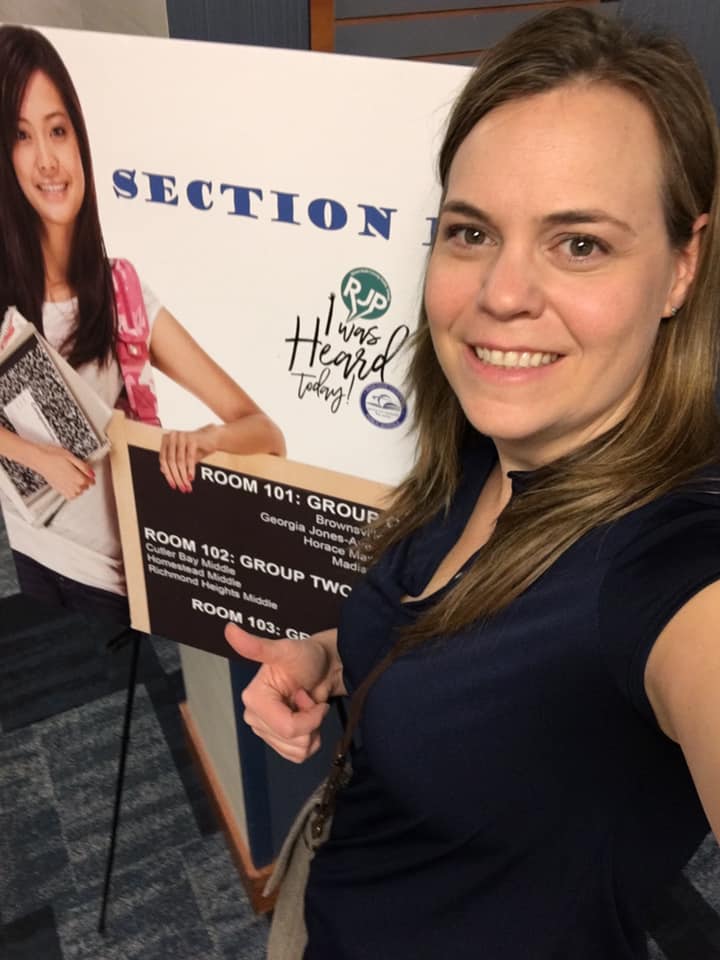
The IIRP provided restorative practices training to 500 middle- and high-school students in the Miami-Dade County, Florida, School District. Jen Williams, IIRP '16, a middle school counselor, shares her experience of developing and presenting this training:
I was blown away when IIRP Lecturer Mary Jo Hebling asked to me to share my work with the Miami-Dade School District. The students in the Restorative Training Program in my small rural school in Southeastern Pennsylvania are trail blazers to me, but I never expected to be asked to share our work with others.

Freshman boys at a high school outside Detroit shocked their community by performing a hate-filled anti-Semitic rap song in the lunchroom. But bringing people together to repair the hurt they caused turned an ugly episode into an opportunity to build empathy and respect.
Harm spread throughout the school as a video of the incident circulated. “The most difficult part,” lamented a member of Bloomfield Township's Jewish community, “was that it was not a single individual, but a whole group of 10 or so who were laughing and cajoling, filming and encouraging him.”
More than half of the staff at Bloomfield Hills High School had received professional development in restorative practices. Margaret Schultz, the district’s Administrator for Social Emotional Learning & Educational Equity, also a licensed trainer for the International Institute for Restorative Practices (IIRP), got to work immediately, building understanding and accountability among those involved in the incident.

The following blog post is from IIRP President Dr. John Bailie's website Leading Conflict: How to Fight at Work, a series of articles about how leaders can improve relationships to help their organizations thrive.
It’s tempting to believe that conflict in relationships is a complicated topic. Complicated is actually easy. A complicated problem implies a lower bar for success. We expect less measurable positive outcomes.
When a problem with another person is seen as complicated we have many reasons to think about it some more, delay action and hesitate to say what we are really thinking. Why be hasty? After all, it’s complicated.
However, the vast majority of interpersonal conflicts, whether at work or in our personal lives, are not inherently complicated. They are often painful to face and endure, but that’s not the same thing as being complicated.
One great secret about coaching and mentoring leaders in their interpersonal relationships is that the vast majority of questions arise again, and again, and again. It’s mainly the setting and personalities that change. Here’s an example.